
BLOG
Unveiling the Fascinating Truth: 5 Surprising Benefits of Pointy Ears


Unveiling the Fascinating Truth Pointy ears have been a symbol of mystery and allure for centuries. Think about elves in folklore, Vulcans in sci-fi, or even your neighbor’s alert German Shepherd. There’s something undeniably captivating about this ear shape. But is there a reason why so many people—and animals—have pointy ears? And why are some even seeking out elf ear surgery to achieve this look?
Let’s break down the science, the culture, and the real-life stories behind pointy ears.
The Science of Pointy Ears: Genetics and Evolution
Why Do Some Animals Have Pointy Ears?
If you’ve ever seen a dog with pointy ears or a cat with pointy ears, you might have wondered: is there a reason for this shape? The answer is yes—evolution and genetics play a huge role.
Pointy ears are often associated with heightened hearing. In the wild, animals with upright, pointed ears can better detect sounds from all directions. This gives them an edge in hunting, avoiding predators, and communicating with their pack or pride.
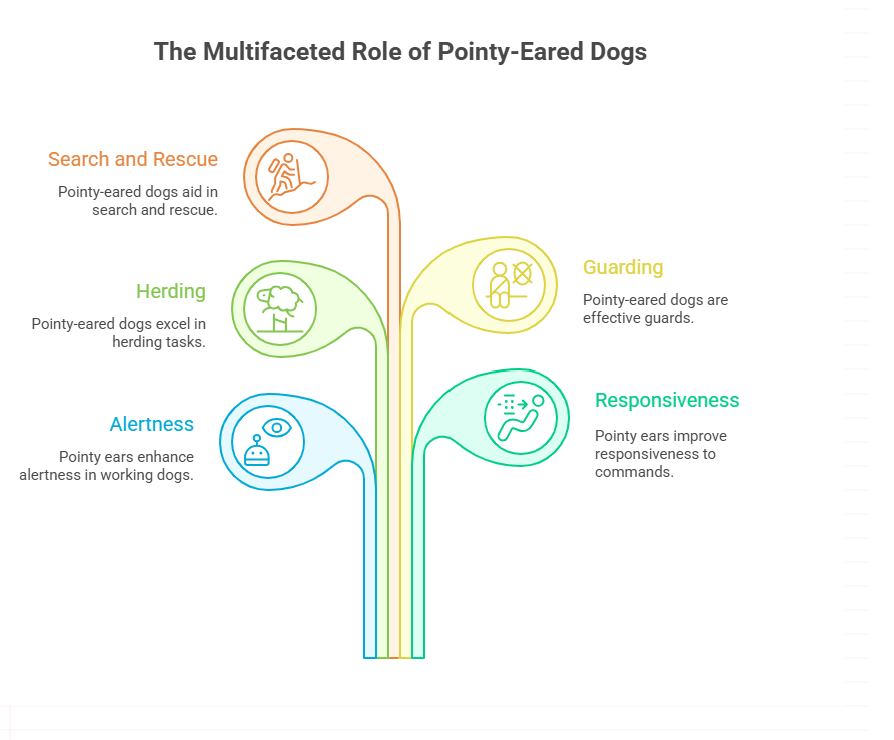
For example, dogs that have pointy ears—like German Shepherds, Huskies, and Belgian Malinois—are often working breeds. Their ear shape helps them stay alert and responsive, which is crucial for tasks like herding, guarding, or search and rescue.
The Genetics Behind Pointy Ears Unveiling the Fascinating Truth
The shape of an animal’s ear is determined by a combination of genes. In dogs, the presence of the “erect ear” gene means the cartilage in the ear is stiffer, causing the ear to stand up rather than flop over. In cats, breeds like the Siamese or Oriental Shorthair are known for their elegant, pointed ears.
But genetics isn’t just about looks—it can also affect hearing ability, communication, and even health.
Pointy Ears in Pop Culture: From Elves to Anime
Pointy ears aren’t just a natural phenomenon—they’re a pop culture icon. From Tolkien’s elves to Spock in Star Trek, pointy ears have become a symbol of otherworldliness, intelligence, and beauty.
In recent years, the trend has even inspired people to seek out elf ear surgery to achieve a more “fantastical” look. But what’s involved in this procedure, and is it safe?
Elf Ear Surgery: The Rise of a Unique Cosmetic Trend
What Is Elf Ear Surgery?
Elf ear surgery, also known as “ear pointing” or “otoplasty,” is a cosmetic procedure that reshapes the ear to create a pointed tip. It’s popular among fans of fantasy, cosplay, and body modification.
The process involves making a small incision in the ear, reshaping the cartilage, and suturing it to create a permanent point. Recovery can take several weeks, and like any surgery, there are risks involved.
Real-Life Example: Why Some Choose Elf Ear Surgery
One enthusiast shared, “I’ve always loved fantasy stories, and having pointy ears makes me feel unique and confident. It’s not for everyone, but for me, it’s a way to express my personality.”
Risks and Considerations
While elf ear surgery can create a striking look, it’s important to consider the risks: infection, scarring, and dissatisfaction with the results are all possible. Always consult with a qualified surgeon and weigh the pros and cons before making a decision.
Puppies With Pointy Ears: What to Expect
If you’ve ever brought home a litter of puppies, you might notice that their ears start out floppy and gradually become more erect. This is especially true for breeds known for their pointy ears.
When Do Puppies’ Ears Stand Up?
Most puppies with pointy ears will see their ears start to stand up between 8 and 16 weeks of age. This process can vary depending on breed, genetics, and even nutrition.
Some owners worry if one ear stands up before the other, but this is usually normal and resolves as the puppy grows.
Caring for Puppies With Pointy Ears
Proper nutrition, gentle handling, and regular vet checkups are key. Avoid taping or manipulating the ears unless advised by a veterinarian, as this can cause injury.
Dogs That Have Pointy Ears: Breeds and Benefits
Popular Breeds With Pointy Ears
- German Shepherd
- Siberian Husky
- Belgian Malinois
- Corgi
- Basenji
- Akita
These breeds are known for their alert, upright ears, which not only look striking but also serve a functional purpose.
Why Do Some Dogs Have Pointy Ears?
As mentioned earlier, pointy ears help dogs hear better and stay alert. In working breeds, this trait is especially valued. It’s also a sign of good cartilage health and strong genetics.
Are Pointy Ears Healthier?
There’s no evidence that pointy ears are inherently healthier than floppy ears, but they can be less prone to certain infections, as air circulates more freely in upright ears.
Cat With Pointy Ears: Feline Elegance
Cats are famous for their expressive, pointed ears. Breeds like the Siamese, Abyssinian, and Oriental Shorthair are especially known for this feature.
The Function of Pointy Ears in Cats
Cats use their ears to communicate, hunt, and stay aware of their surroundings. The shape allows them to swivel their ears independently, picking up even the faintest sounds.
Fun Fact
A cat with pointy ears can rotate its ears up to 180 degrees! This gives them a huge advantage when stalking prey or listening for danger.
The Pros and Cons of Pointy Ears
Pros
- Enhanced Hearing: Upright ears can pick up sounds more effectively.
- Distinctive Appearance: Pointy ears are often seen as elegant or striking.
- Less Prone to Infections: Better air circulation can reduce the risk of ear infections.
Cons
- Injury Risk: Pointy ears can be more exposed to injury, especially in active animals.
- Cosmetic Concerns: Some people may not like the look, or may seek surgery to change it.
- Surgical Risks: Procedures like elf ear surgery carry risks of infection and scarring.
Pointy Ears in Human History and Mythology
Pointy ears aren’t just for animals or fantasy characters. In some cultures, people with naturally pointed ears were believed to have special powers or connections to the spirit world.
In modern times, pointy ears have become a symbol of individuality and creativity, inspiring everything from fashion trends to body art.
Real-Life Stories: Living With Pointy Ears
One user tweeted, “Growing up with pointy ears made me feel different, but now I love how unique they are. People always ask if I’m part elf!”
This sense of uniqueness is echoed by many who embrace their natural features or choose to enhance them through surgery.
Pointy Ears and Animal Communication
Did you know that animals use their ears to communicate? A dog with pointy ears may perk them up when alert or lay them back when scared. Cats do the same, using ear position to signal mood and intention.
Understanding these signals can help pet owners build stronger bonds with their animals.
The Future of Pointy Ears: Trends in 2025
With the rise of body modification and the popularity of fantasy genres, pointy ears are more in vogue than ever. Elf ear surgery clinics are popping up in major cities, and pet breeders are seeing increased demand for breeds with upright ears.
But as with any trend, it’s important to make informed choices and prioritize health and well-being.
Pointy Ears and Health: What You Need to Know
For Humans
If you’re considering elf ear surgery, consult with a board-certified surgeon. Ask about risks, recovery, and long-term care.
For Pets
Regular ear checks, cleaning, and vet visits are essential for dogs and cats with pointy ears. Watch for signs of infection, injury, or discomfort.
Pointy Ears in Art and Fashion
From runway models to cosplay conventions, pointy ears are making a statement. Ear cuffs, prosthetics, and even temporary tattoos allow anyone to experiment with this look—no surgery required.
FAQs
1. What causes pointy ears in dogs and cats?
Pointy ears are usually the result of genetics. Certain breeds are more likely to have upright, pointed ears due to the structure of their cartilage and ear muscles.
2. Is elf ear surgery safe?
Elf ear surgery can be safe when performed by a qualified surgeon, but it carries risks like infection, scarring, and dissatisfaction with the results. Always do your research and consult with professionals.
3. Are pointy ears better for hearing?
In many animals, pointy ears can enhance hearing by funneling sound more effectively. However, the difference is usually minor in pets and not a major health concern.
4. Can puppies with pointy ears have floppy ears as adults?
Most puppies with pointy ears will see their ears stand up as they grow, but some may retain a slight flop due to genetics or cartilage strength.
Final Thoughts
Whether you’re fascinated by the elegance of a cat with pointy ears, the alertness of a dog with pointy ears, or the fantasy of elf ear surgery, there’s no denying the unique appeal of this trait. Pointy ears are a blend of science, culture, and personal expression.

Crossword fans often stumble upon a tricky clue like the “ditto NYT crossword clue”, and instantly the question arises: what does it really mean in the puzzle? If you’ve ever scratched your head at seeing “ditto” appear in the New York Times crossword, you’re not alone. This clue is deceptively simple but layered with multiple possible answers, depending on the puzzle’s theme, context, and wordplay. In this long-form guide, we’ll explore the full meaning of “ditto” in crossword puzzles, uncover why it confuses so many solvers, and provide practical strategies to decode it with ease.
Why “Ditto” Confuses NYT Crossword Solvers
The word ditto isn’t just a casual filler—it’s a shorthand with history. In crosswords, it can mean “same as above”, an abbreviation, or even act as a stand-in for “copy.” This flexible usage often throws players off. Unlike straightforward clues, “ditto” opens the door to multiple answers.
A player once posted on social media: “When the NYT crossword clue says ‘Ditto,’ I panic. Is it SAME, AS DO I, or just DO?!” That single line captures the universal struggle crossword solvers face.
The ambiguity makes it one of the more interesting recurring crossword clues in the New York Times crossword answers today.
Understanding the Ditto Meaning in Crossword Context
In everyday language, ditto means “the same thing.” But in crossword puzzles, its interpretation stretches:
- Literal meaning: SAME, COPY, or DUPLICATE.
- Conversational phrase: AS DO I, ME TOO.
- Symbol or abbreviation: DO (from older notation styles).
That’s why the ditto abbreviation crossword variation pops up so often.
ommon Ditto Crossword Synonym Answers
When you see the ditto crossword synonym, these are the most frequent solutions you’ll encounter:
| Possible Answer | Letter Count | Common Usage |
|---|---|---|
| SAME | 4 | Most standard clue |
| AS DO I | 6 | Casual phrase form |
| ME TOO | 5 | Conversational style |
| DO | 2 | Abbreviation |
| COPY | 4 | Literal synonym |
Knowing these variations helps you solve faster and avoid second-guessing.
Ditto Clue in the NYT Mini Crossword
The ditto clue NYT mini crossword often favors shorter answers, given the compact grid. Instead of long phrases, you’ll typically find answers like DO, SAME, or ME TOO. Since the mini puzzle emphasizes brevity, think of “ditto” as shorthand rather than extended phrases.
Strategies for Solving the Ditto NYT Crossword Clue
Check the Letter Count
Crossword puzzles always give you the length of the answer. This narrows your choices immediately. For example, if the clue is 4 letters, “SAME” is more likely than “AS DO I.”
Look at Crosses
Use intersecting answers for confirmation. If another clue gives you an “M” in the middle, ME TOO fits better than COPY.
Remember Context
Is the puzzle’s theme conversational, historical, or playful? “Ditto” can change meaning based on the surrounding clues.
Use NYT Puzzle Help Wisely
Resources like NYT puzzle help or crossword forums often explain the reasoning behind tricky clues, helping you recognize patterns over time.
Why Crossword Editors Love “Ditto”
The beauty of ditto is its versatility. Crossword editors like Will Shortz enjoy including words with layered meanings because they add both challenge and reward. Solvers feel a “lightbulb moment” when they crack it—an essential ingredient of crossword enjoyment.
Real-Life Example of Ditto in a Puzzle
In a New York Times crossword from 2024, the clue was simply: “Ditto.” The answer turned out to be AS DO I. Many players initially tried “SAME” but realized it didn’t fit the grid. This misdirection kept solvers on their toes and highlighted how context changes everything.
Expanding Beyond Ditto: Crossword Puzzle Solutions
Solving the ditto NYT crossword clue is just one part of a broader strategy for tackling puzzles. Here are some expert tips for crossword puzzle solutions in general:
- Look for repeats: If a clue hints at duplication, answers like “COPY” or “SAME” are common.
- Think conversationally: Many puzzles mimic everyday speech, making phrases like “ME TOO” valid entries.
- Check for abbreviations: Especially in mini crosswords, short forms like “DO” are frequent.
- Review NYT crossword answers today: Studying daily solutions sharpens recognition of common clue types.
New York Times Crossword Hints for 2025
In 2025, solvers benefit from more digital aids. The NYT app now integrates subtle hint options, which guide players without spoiling the fun. If you’re struggling with “ditto” or similar terms, hints often point you toward the right synonym category.
Ditto in Cultural and Linguistic Context
Interestingly, ditto comes from the Italian word “detto,” meaning “said.” Over centuries, it evolved into a shorthand for repetition. That history makes it perfect for crossword use, where brevity and cleverness are key.
Pros and Cons of the Ditto Clue
Pros:
- Flexible, rewarding when solved
- Fits multiple puzzle formats
- Engages solvers with layered meaning
Cons:
- Can frustrate beginners
- Easily confused with other short synonyms
- Sometimes too vague without crossings
FAQ’s
What does ditto mean in the NYT crossword?
It usually means “same as above,” and common answers include SAME, AS DO I, ME TOO, or DO.
How do I know which ditto crossword synonym is correct?
Check the letter count and use crossing words. The grid will confirm whether it’s SAME, COPY, or a phrase like AS DO I.
Why is ditto used in the NYT mini crossword?
Because the mini puzzle prefers short, quick answers, ditto is often represented as DO or SAME.
Where can I find reliable crossword puzzle solutions?
You can use the NYT puzzle help section, crossword forums, or daily solver blogs that publish New York Times crossword hints and explanations.
Final Thoughts
The ditto NYT crossword clue may look simple, but it’s a clever test of wordplay, context, and solver intuition. By recognizing its common synonyms, understanding how it appears in the mini crossword, and using resources like NYT puzzle help, you’ll solve it with confidence.

If you have a family with children or are getting your first dog, choosing the right dog is crucial. The best family dogs are friendly, patient, and adaptable—traits that make living together harmonious. This guide explains which breeds are family-friendly, what to consider when buying, and how to integrate a dog into your family.
Why Choosing the best Family Dogs Matters
A dog becomes an integral part of your daily life. That’s why it’s important to pick a dog that gets along with both children and adults. The wrong choice can cause stress for both the dog and the family, while the right choice brings joy and safety.
Key factors when choosing a family dog:
- Temperament and social behavior
- Size and activity level
- Grooming needs and health requirements
- Compatibility with children and other pets
Top Dog Breeds for Families
Here are some child-friendly dogs and family-friendly breeds that are especially suitable for a harmonious family life:
Labrador Retriever
- Temperament: Friendly, patient, playful
- Grooming: Medium, regular brushing
- Ideal for: Families with active children
- Highlights: Very social and easy to train
Golden Retriever
- Temperament: Gentle, intelligent, loyal
- Grooming: Requires regular brushing
- Ideal for: Families who spend a lot of time outdoors
- Highlights: Known for being child-friendly
Beagle
- Temperament: Curious, friendly, lively
- Grooming: Low maintenance, short coat
- Ideal for: Families with some experience in dog training
- Highlights: Good for apartments, loves companionship
French Bulldog
- Temperament: Calm, loving, playful
- Grooming: Very low maintenance
- Ideal for: Families in apartments or smaller homes
- Highlights: Adaptable and sturdy
Cavalier King Charles Spaniel
- Temperament: Affectionate, friendly, social
- Grooming: Needs regular coat care
- Ideal for: Families with young children
- Highlights: Excellent companion indoors and outdoors
Tips for Buying or Adopting a Family Dog
- Do your research: Consider which traits are most important for your family.
- Visit breeders or shelters: Observe how the dog interacts with children.
- Health check: Have the dog examined by a veterinarian before adoption.
- Training and socialization: A well-trained dog integrates more easily into the family.
Family Dog Training and Education
Teaching Basic Commands
- Sit, stay, come—fundamentals for safety and control.
Involving Children in Training
- Teach kids to treat the dog respectfully.
Consistency and Reward
- Positive reinforcement is key to balanced dog behavior.
Low-Maintenance and Healthy Family Dogs
Low-maintenance means: Minimal grooming, low health risks, and a sturdy build.
Healthy dogs: Fewer vet visits, longer lifespan, active and energetic.
| Breed | Grooming Needs | Activity Level | Child-Friendly |
|---|---|---|---|
| Labrador Retriever | Medium | High | Yes |
| Golden Retriever | Medium | High | Yes |
| Beagle | Low | Medium | Yes |
| French Bulldog | Low | Low | Yes |
| Cavalier King Charles Spaniel | Medium | Medium | Yes |
FAQ’s
Which breeds are the best family dogs?
Labrador Retriever, Golden Retriever, Beagle, French Bulldog, and Cavalier King Charles Spaniel are considered especially family-friendly.
Are low-maintenance dogs suitable for families with children?
Yes, low-maintenance dogs like Beagles or French Bulldogs are well-suited for families with limited grooming time.
What should I consider when buying the best family dogs?
Temperament, health, child-friendliness, socialization, and trainability.
How can I best train my family dog?
Use basic commands, positive reinforcement, patience, and regular socialization.
Can dogs live happily in apartments with children?
Yes, some breeds like Beagles or French Bulldogs adapt well to smaller spaces if given enough exercise.
Conclusion
The best family dogs combine friendliness, patience, and adaptability. With careful selection, training, and love, dogs can enrich family life and become loyal companions for both children and adults.

If you’ve ever wondered why your paint doesn’t sit quite right on a canvas or why some surfaces absorb color unevenly, the answer often comes down to one thing—gesso. For beginner and professional artists alike, understanding what is gesso can completely change how your paintings look and last. Whether you’re prepping a canvas, sealing wood, or teaching students proper surface preparation, gesso is the hidden foundation behind durable, vibrant artworks.
This guide explains everything you need to know about gesso—its history, uses, variations, and practical tips—so you can approach your next project with confidence.
What Is Gesso?
Gesso is a primer used to prepare surfaces such as canvas, wood, or paper for painting. It creates a slightly textured, absorbent ground that helps paint adhere better while protecting the surface beneath. Traditionally made from chalk, gypsum, and animal glue, modern formulations often use acrylic polymers.
In simple terms: gesso is the bridge between raw surfaces and your paint. Without it, colors may soak in unevenly, surfaces may warp, and your work may not stand the test of time.
A Brief History of Gesso
- Traditional gesso dates back to Renaissance Italy, where it was made from rabbit-skin glue and chalk. Artists used it to prepare wood panels for tempera and oil painting.
- Modern acrylic gesso emerged in the 20th century, offering flexibility, faster drying times, and compatibility with acrylic paints.
- Today, gesso comes in multiple forms: acrylic gesso, oil painting gesso, clear gesso, white gesso, and even black gesso—each suited for different techniques.
Why Artists Use Gesso
What Does Gesso Do in Painting?
- Improves adhesion – helps paint grip the surface instead of soaking in.
- Protects the support – prevents canvas fibers or wood from absorbing oils or water.
- Creates a consistent surface – ensures smooth paint application with fewer surprises.
- Enhances durability – reduces risk of cracking, peeling, or warping.
In short: gesso is insurance for your artwork.
Types of Gesso Explained
Acrylic Gesso
- The most common modern option.
- Works well for both acrylics and oils.
- Flexible, easy to apply, and widely available.
Traditional Gesso
- Made with animal glue and chalk.
- Best for rigid supports (wood panels, plaster).
- Used by restorers and conservators for historical works.
Oil Painting Gesso
- Designed for oil paint specifically.
- Creates a non-absorbent surface to prevent oil seepage.
Clear Gesso vs White Gesso
- White gesso is the standard choice, providing a bright base for colors.
- Clear gesso allows the natural surface (like wood grain) or underdrawing to show through.
Black Gesso
- Provides a dramatic ground for vibrant or metallic paints.
- Popular in contemporary and abstract art.
Surfaces You Can Apply Gesso To
- Canvas (cotton, linen, or pre-primed)
- Wood panels
- Paper or cardboard
- Plaster and walls (for murals)
Tip: Always test first, as different surfaces absorb gesso differently.
How to Use Gesso Step by Step
- Choose your gesso (acrylic, clear, black, etc.).
- Stir well before application.
- Apply the first coat with a wide brush or roller, moving in one direction.
- Let it dry (typically 20–60 minutes for acrylic gesso).
- Lightly sand for a smoother finish (optional).
- Apply additional layers (2–3 coats are common for canvas).
Practical Questions Artists Ask
Do You Need Gesso for Acrylic Painting?
Not always—some canvases come pre-primed. But adding your own layers improves quality and longevity.
Can You Paint Without Gesso?
Yes, but the paint may soak in, lose vibrancy, or crack over time.
How Many Layers of Gesso on Canvas?
Most artists recommend 2–3 coats for an even, professional surface.
How Long Does Gesso Take to Dry?
- Acrylic gesso: 20–60 minutes per coat
- Traditional gesso: several hours
Gesso Alternatives
- White acrylic paint (not as absorbent, but workable for crafts).
- Commercial primers (for DIY projects, not fine art).
- Homemade gesso (recipes use chalk, cornstarch, glue, or plaster—good for practice, less archival).
Best Gesso for Artists
| Type | Best For | Example Brands |
|---|---|---|
| Acrylic Gesso | Everyday use, flexible surfaces | Liquitex, Winsor & Newton |
| Oil Painting Gesso | Oil painters, rigid panels | Gamblin, Old Holland |
| Clear Gesso | Preserving underdrawings | Golden, Liquitex |
| Black Gesso | Bold contrast, dramatic effects | Blick, Liquitex |
Expert Citations
- Tate Museum – Ground and Primer in Painting
- Winsor & Newton – Guide to Gesso and Primers
- Liquitex Official – Acrylic Gesso Use
FAQ’s
What does gesso do in painting?
Gesso primes and protects surfaces, helping paint adhere evenly.
How to use gesso on canvas effectively?
Apply 2–3 thin coats with a wide brush, letting each layer dry fully.
What’s the difference between gesso and primer?
Gesso is an artist’s primer for painting surfaces, while primer covers broader uses.
Do you need gesso for acrylic painting on pre-primed canvas?
Not strictly, but adding extra coats improves texture and durability.
How many layers of gesso should you apply?
Most artists recommend 2–3 coats for best results.
Can you paint without gesso on wood or paper?
Yes, but paint may soak in, warp, or lose vibrancy over time.
Is gesso necessary for oil painting longevity?
Yes, it prevents oils from damaging or rotting the canvas fibers.
How long does gesso take to dry before painting?
Acrylic gesso dries in 20–60 minutes; traditional gesso takes longer.
Can you make homemade gesso for practice?
Yes, DIY gesso recipes exist but are less archival than professional brands.
What’s the difference between gesso vs white acrylic paint?
Gesso is absorbent and textured, while acrylic paint is smooth and less grippy.
How to apply gesso step by step for beginners?
Stir, brush on thin layers, let dry, sand if needed, and repeat.
Conclusion
Understanding what is gesso is one of the simplest yet most powerful ways to improve your art. From acrylic gesso on canvas to traditional chalk gesso on wood panels, this primer protects your surface, enhances paint adhesion, and ensures your creations last for years to come.
Whether you’re a beginner experimenting with your first acrylic set, a restorer handling centuries-old panels, or a professional artist preparing large-scale works, gesso remains an essential part of the creative process.
-

 BLOG7 months ago
Ditto NYT Crossword Clue Explained Clearly
-

 TECH9 months ago
Soft Copy Meaning: Powerful Digital Advantage
-

 BUSINESS10 months ago
Toyota vs Honda: The Battle of Bulletproof Reliability
-

 BUSINESS10 months ago
Unlock Bulk Success with Amazon Business Wholesale
-

 TECH10 months ago
Blue Android Phone: Single Camera Simplicity
-
 BLOG10 months ago
Invisible String: The Unseen Threads That Connect Us
-

 HEALTH10 months ago
Hormone Health for Men: Signs, Solutions, and Staying Proactive
-

 BLOG10 months ago
How to Support a Loved One Dealing With Anger Challenges